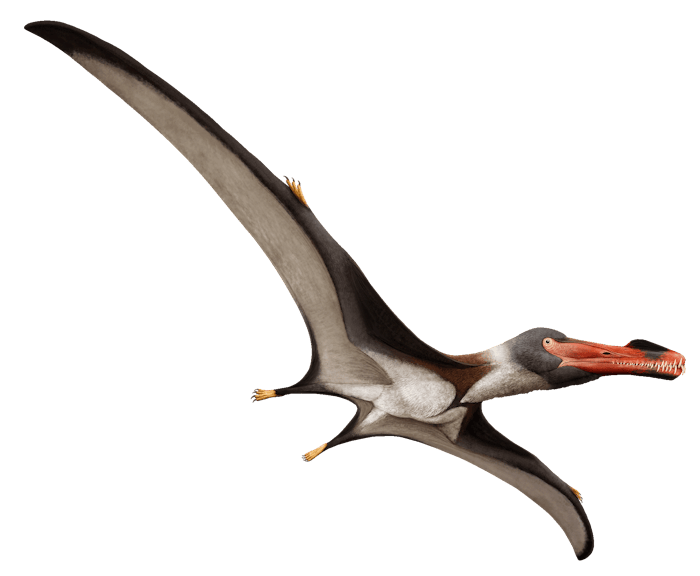
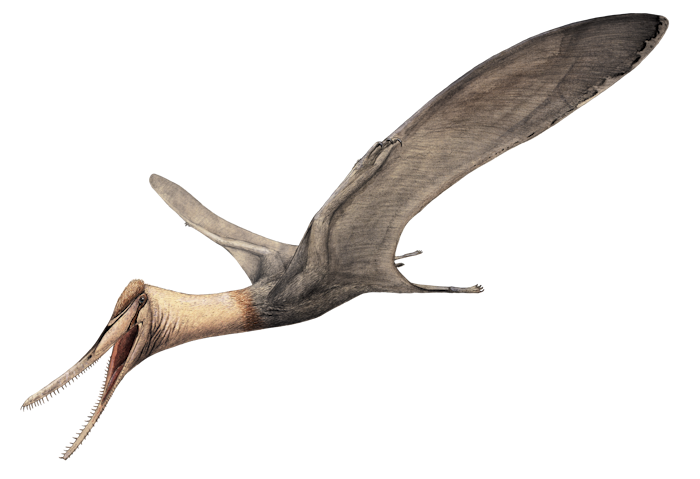
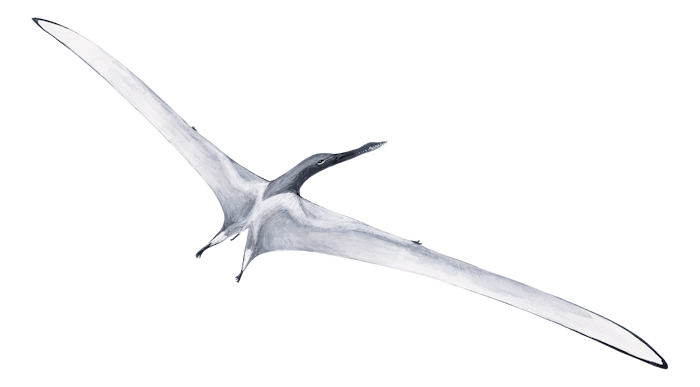
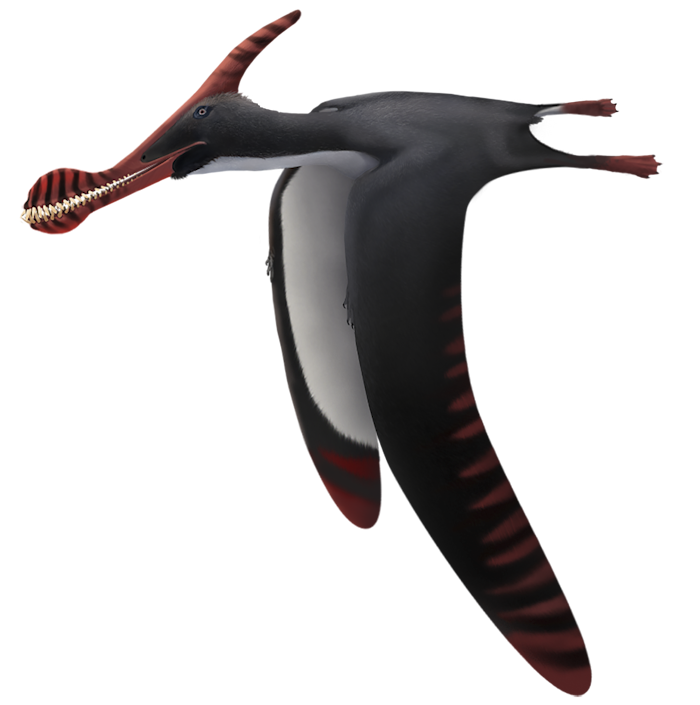
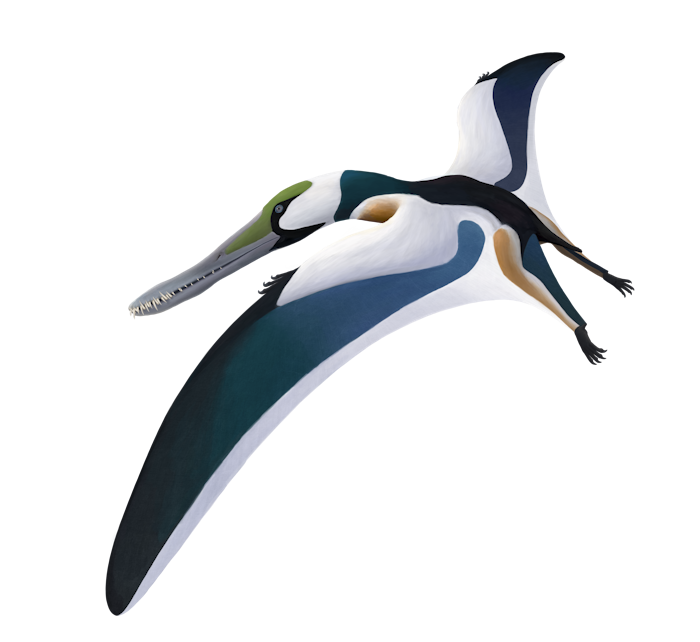
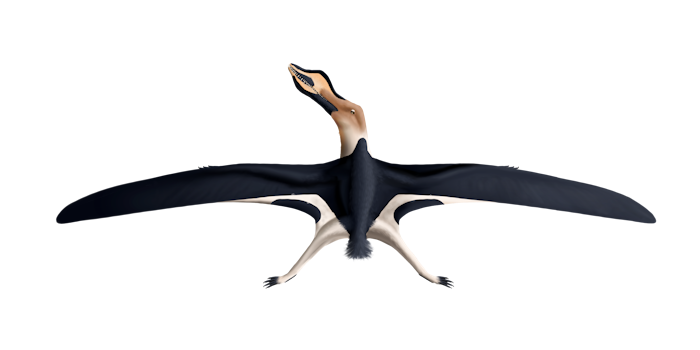
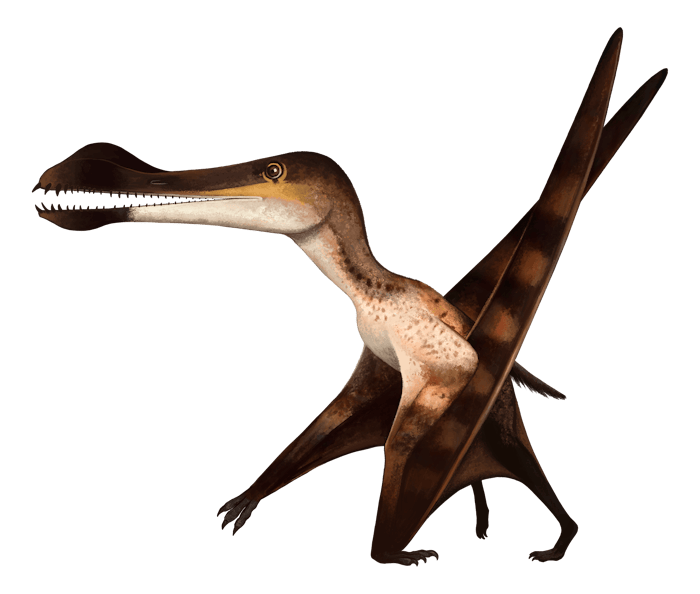
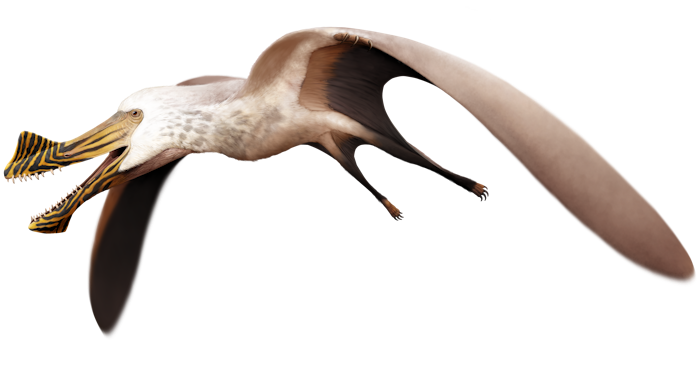
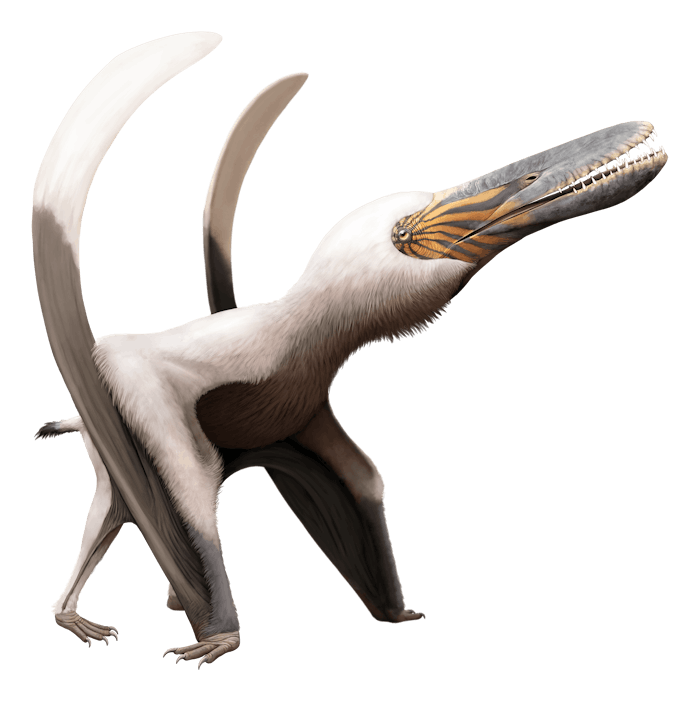
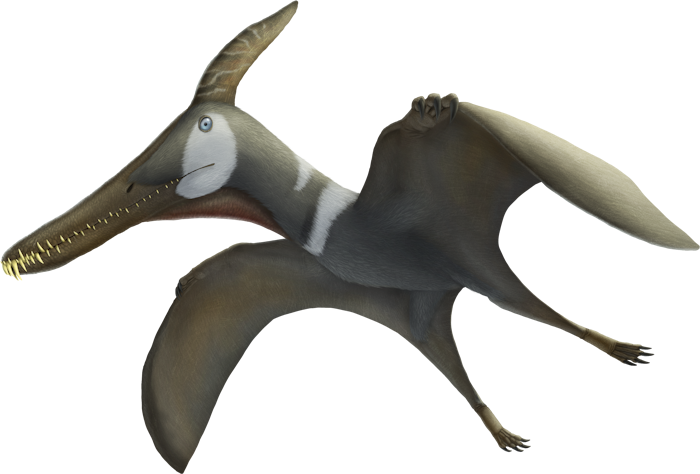
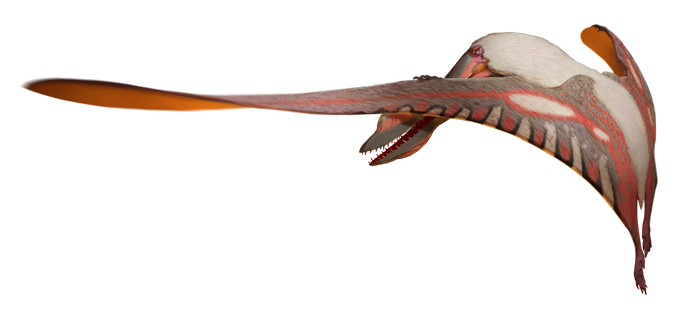
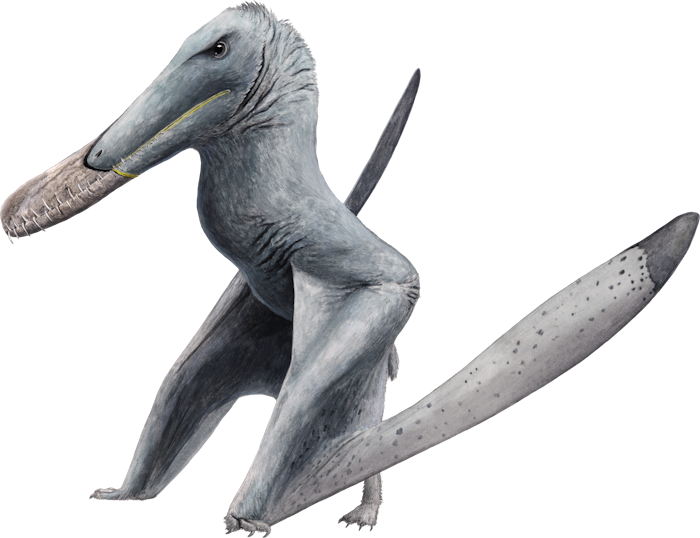
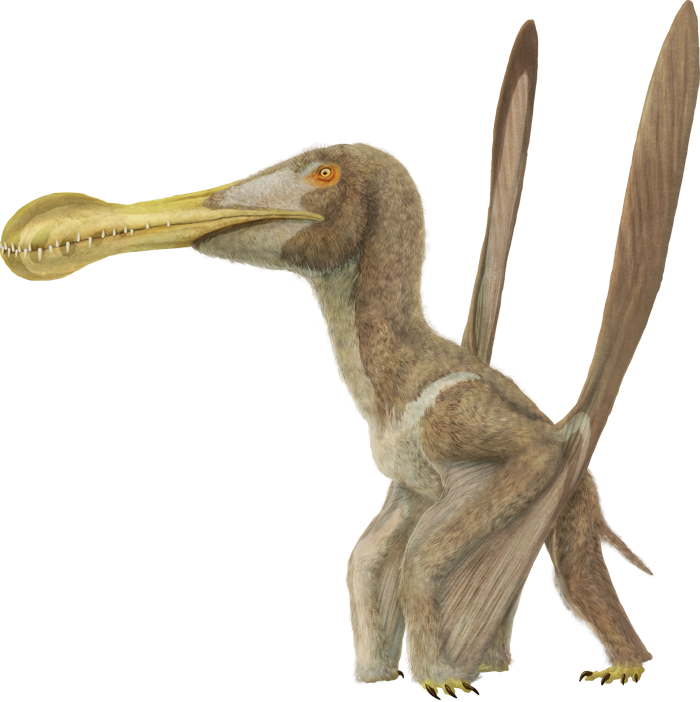
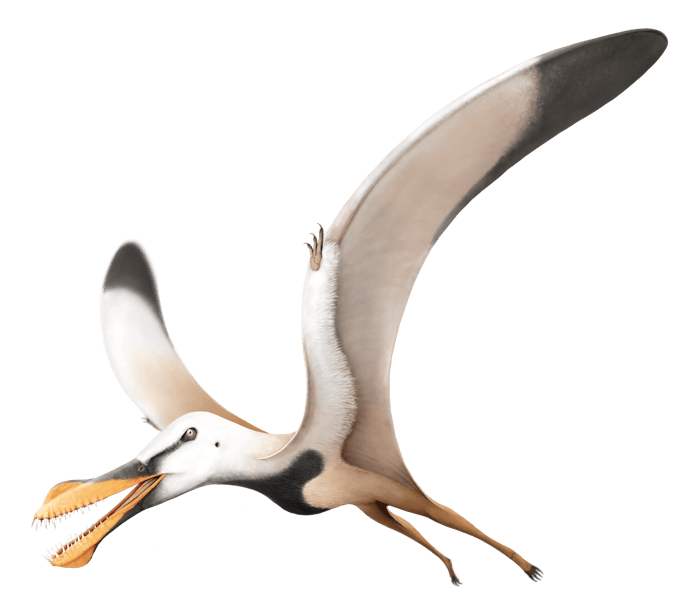
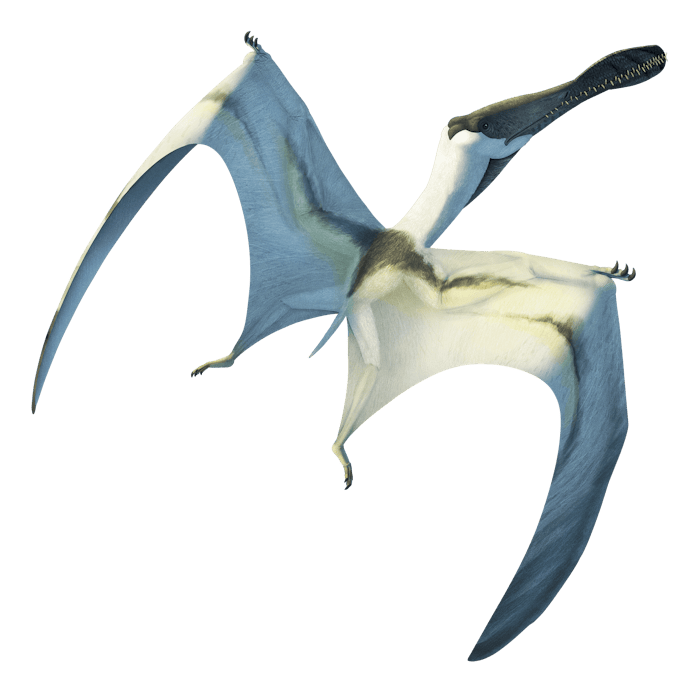
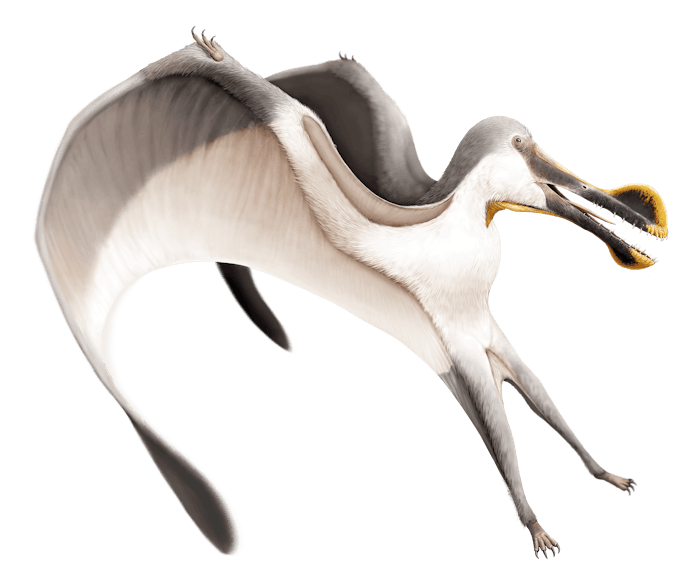
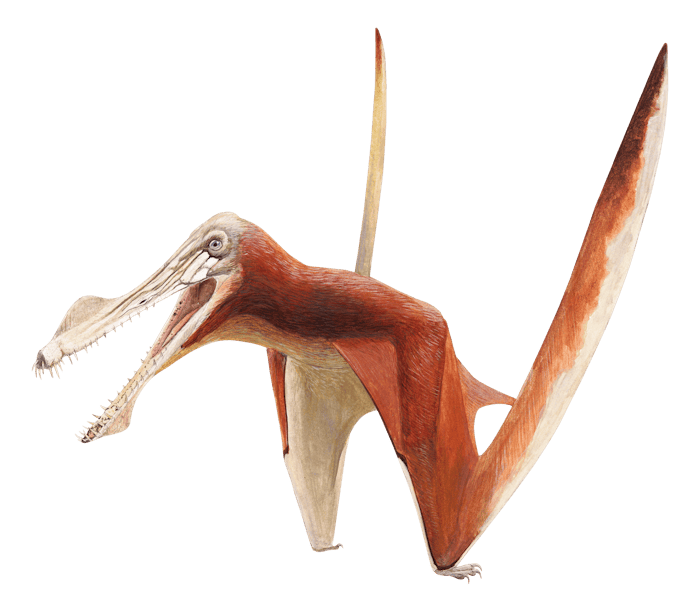
These expert fishermen were among the biggest and most spectacular of all the toothed pterosaurs and used their long wings to fly great distances over immense waterways.
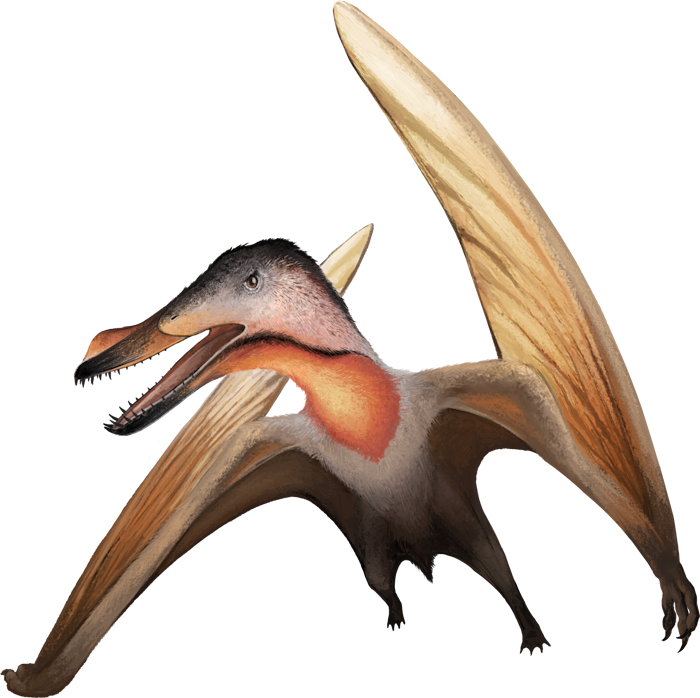
Aerodraco is an ornithocheirid pterosaur from the fossil-rich Late Cretaceous Cambridge Greensand Formation of England.
Art by Joshua Tedder
Text by Henry Thomas
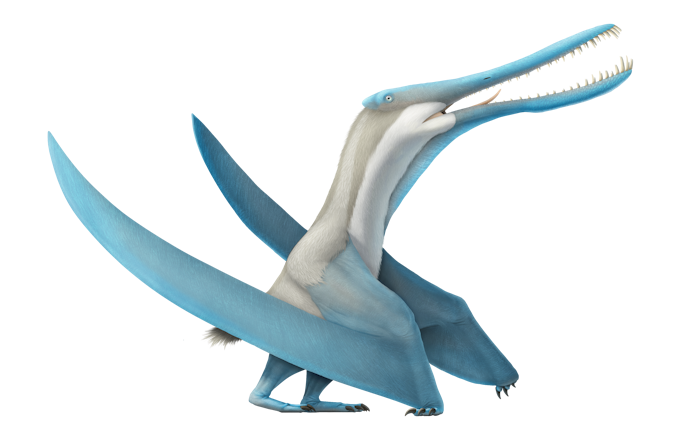
The ornithocheirid Aetodacylus, from the Cretaceous of Texas, has a unique jaw that attests to the diversity of pterosaurs both in general and in its own family.
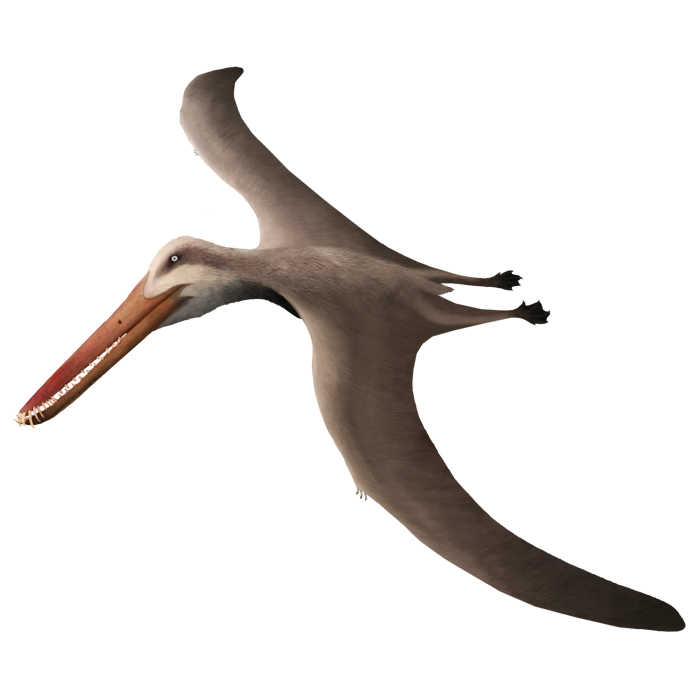
Legendary British paleontologist Harry Govier Seeley was the first to describe a specimen of Camposipterus in 1869 but initially assigned it to a genus already taken by another animal.
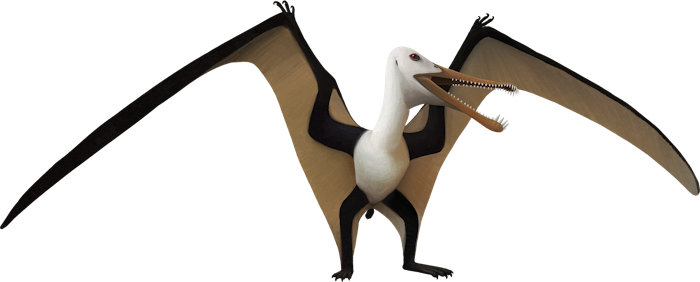
The only known fossil specimen of Ludodactylus seems to show signs of the living animal having had a yucca leaf lodged in its beak, which likely led to its death.
Maaradactylus is named after Maara, the daughter of a chief of the Kariri indigenous people, who through sorcery was changed into a monster that ate fishermen.
Named after the Santana Formation, an Early Cretaceous treasure trove of fossils in Brazil, Santanadactylus was a large pterosaur with a few named species.
The fossilized jaw bone of Siroccopteryx has a strange appearance and contains pits that paleontologists suggest are the result of abscesses draining after a major injury.