The online museum of pterosaurs
Pteros
From Aerotitan to Zhenyuanopterus, every known genus of the flying reptiles that soared Mesozoic skies, illustrated and described.
Featured pterosaurs
Pterosaurs
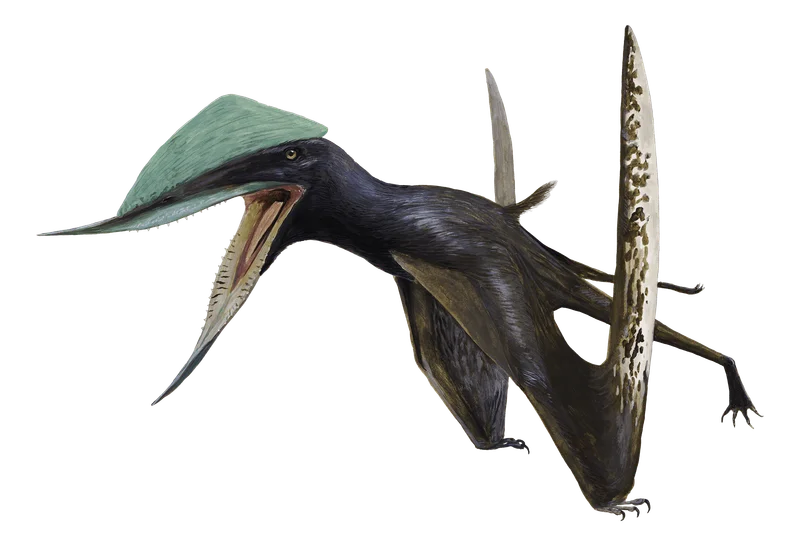
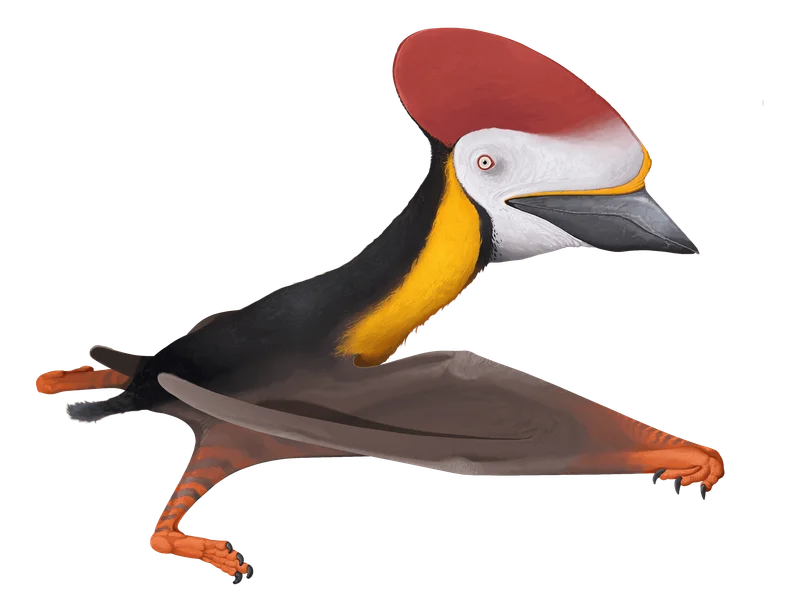
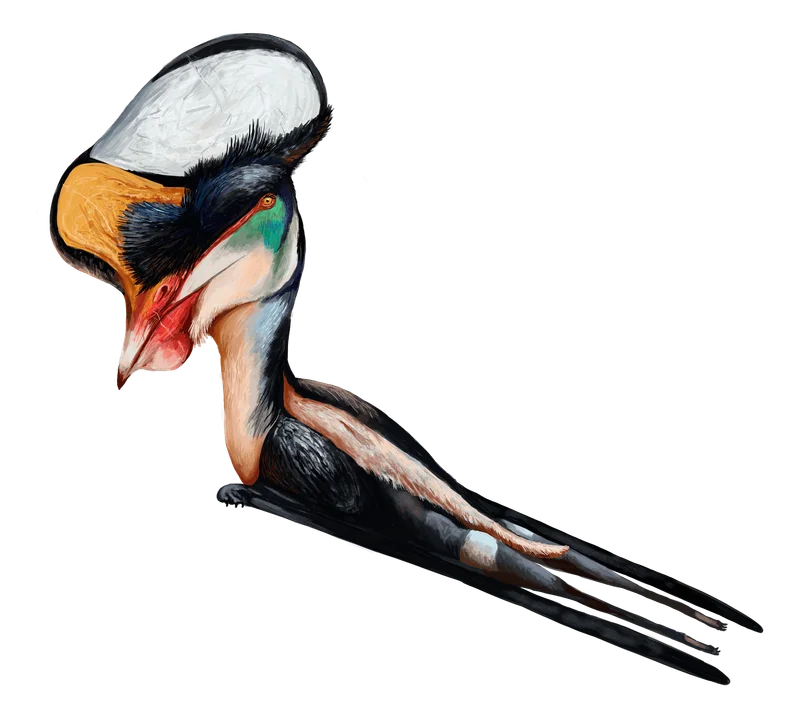
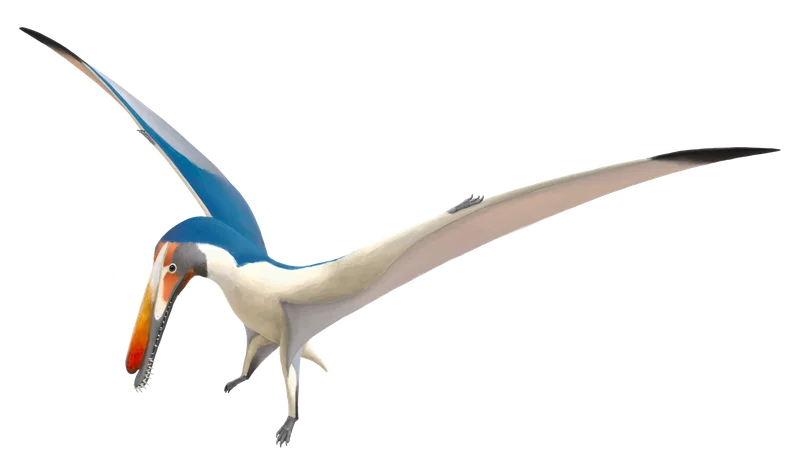
Today's pterosaur · Friday 23 October
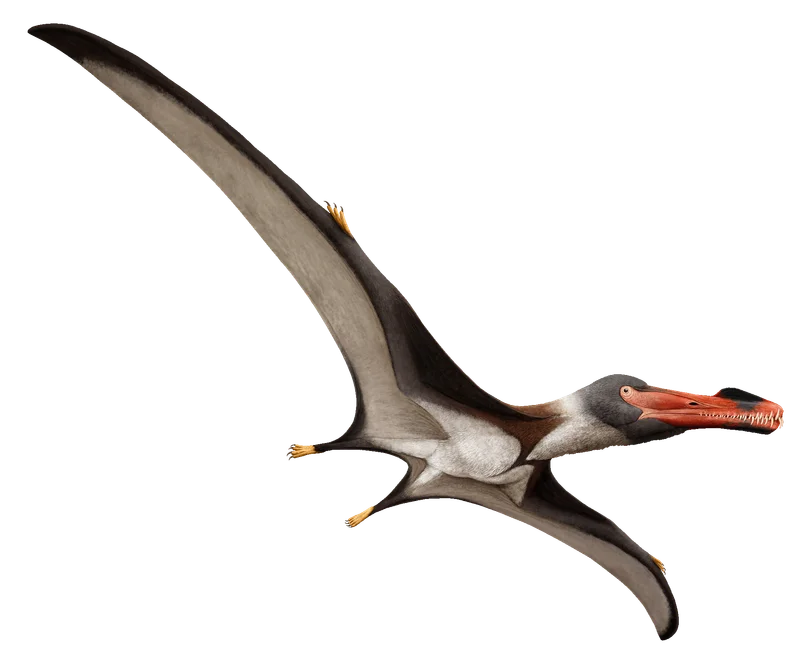
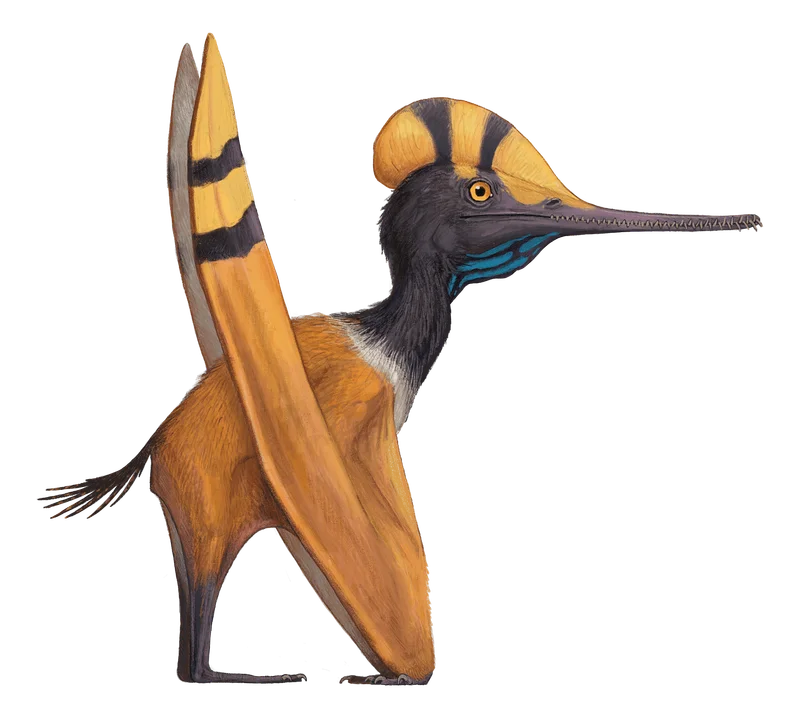
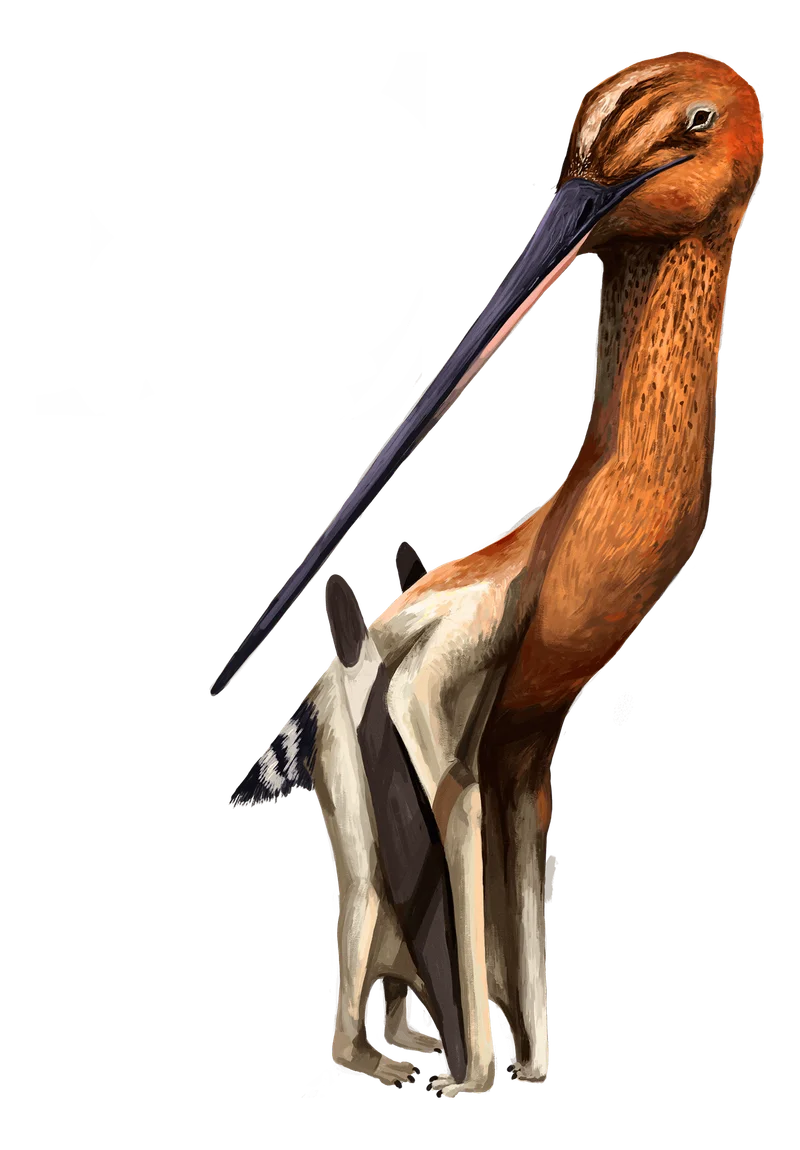
Hamipterus
Aptian · 3.5 m wingspan
This pterosaur is known from a nesting ground with fossils of male and female adults and their eggs.
Explore pterosaur →Long-form features
Exhibits
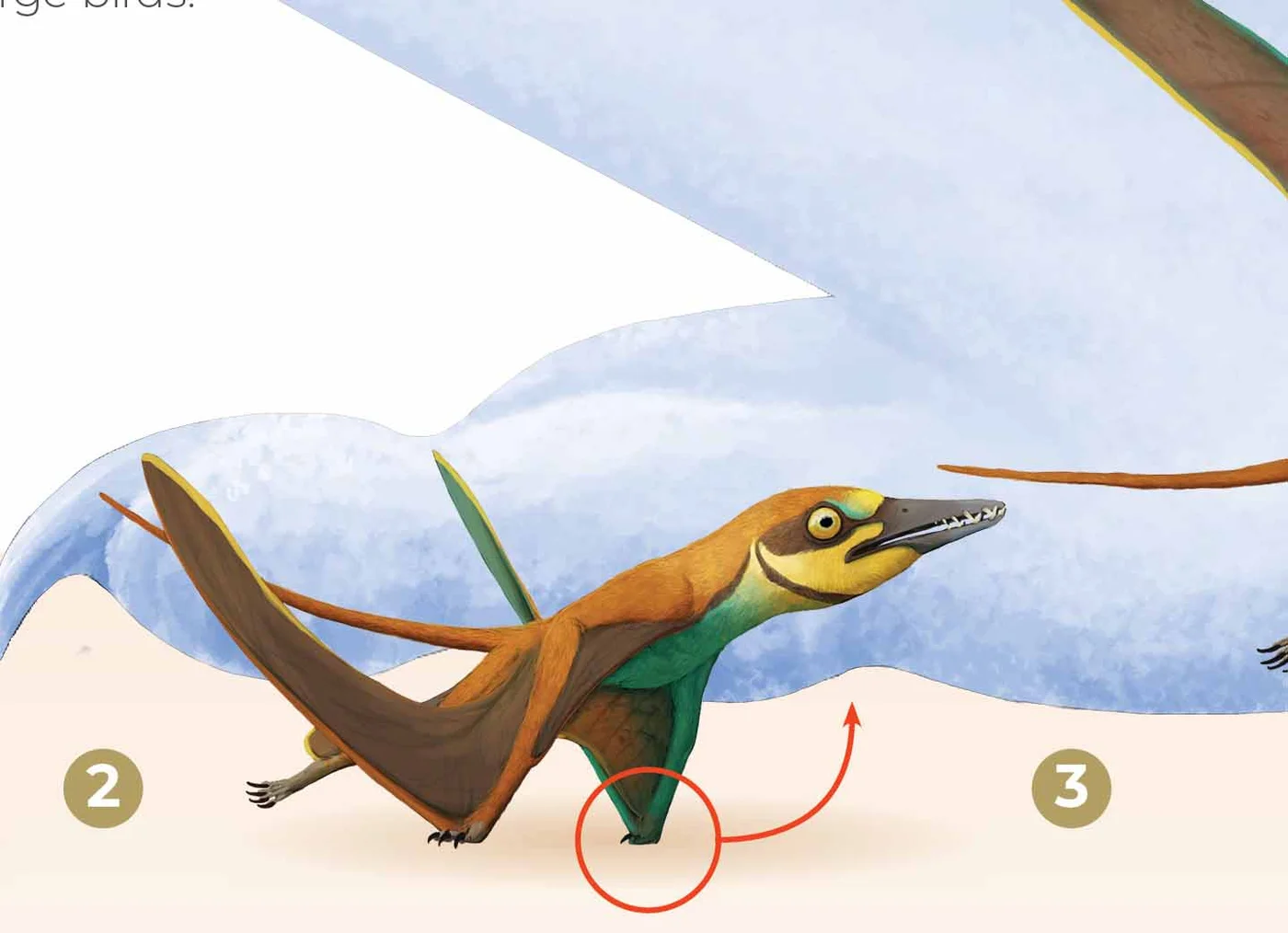
Getting into the air
Before birds and bats, pterosaurs were the first flying vertebrates in Earth's history. When pterosaurs were first discovered, most scientists recognized that they were flying animals, but just how they got into the air was a mystery.
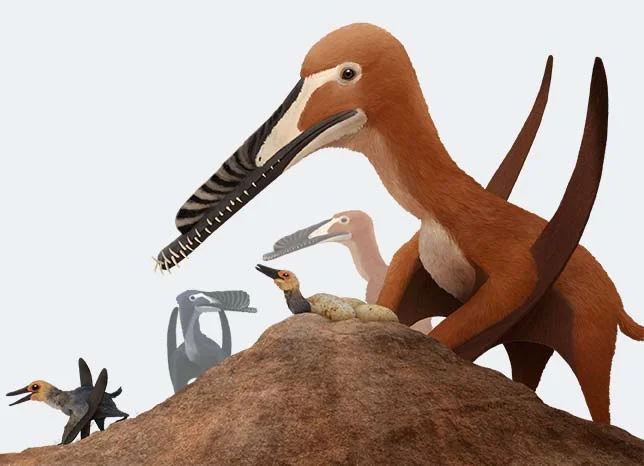
Growing up pterosaur
Pterosaurs, like most other reptiles, started life as an egg, and fossil pterosaur eggs are very rare. Paleontologists have discovered several eggs, embryos, baby pterosaurs and nesting grounds.
Read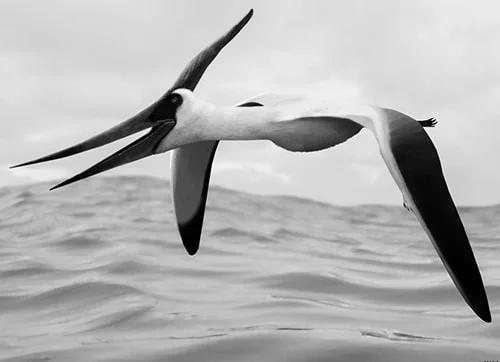
What is a pterosaur?
Not a dinosaur nor a "pterodactyl," pterosaurs were the first vertebrates to perfect powered flight.
Read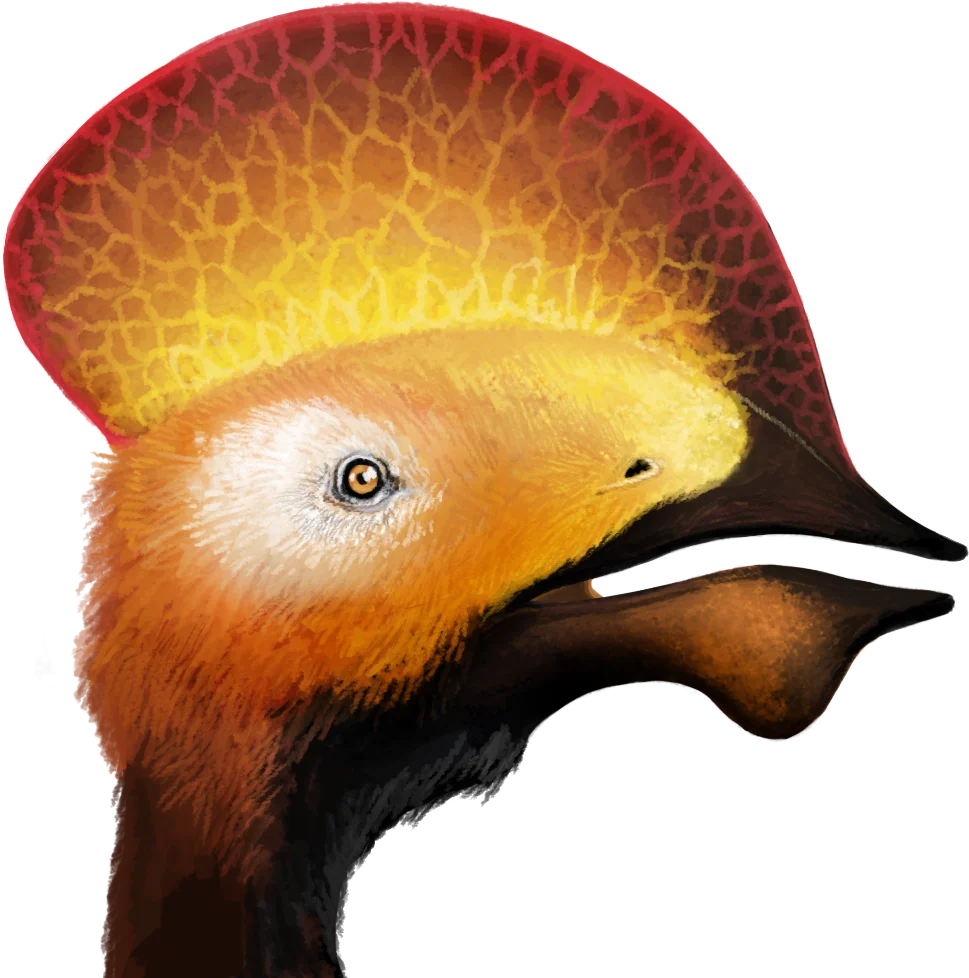
Flashy headdresses
Pterosaur crests came in a spectacular variety of shapes and sizes. A gallery of the flashiest headdresses, most likely display structures to attract mates.
ReadExplore the museum
Deep time,
many angles
Pterosaurs are the longest-lived and most diverse group of flying vertebrates in Earth’s history. Every section of Pteros illuminates a different facet of their story.