Hatzegopteryx
Family
Azhdarchidae

© 2026 Pteros, All Rights Reserved. All images on this website must be licensed for use.

Family
Azhdarchidae
This is the first of the Hateg trio known, and was one of the most massive flying animals in existence. Hatzegopteryx thambema, the only member of is genus, was named by Buffetaut and co-workers in 2002 on the basis of the back of the skull and part of the left humerus.
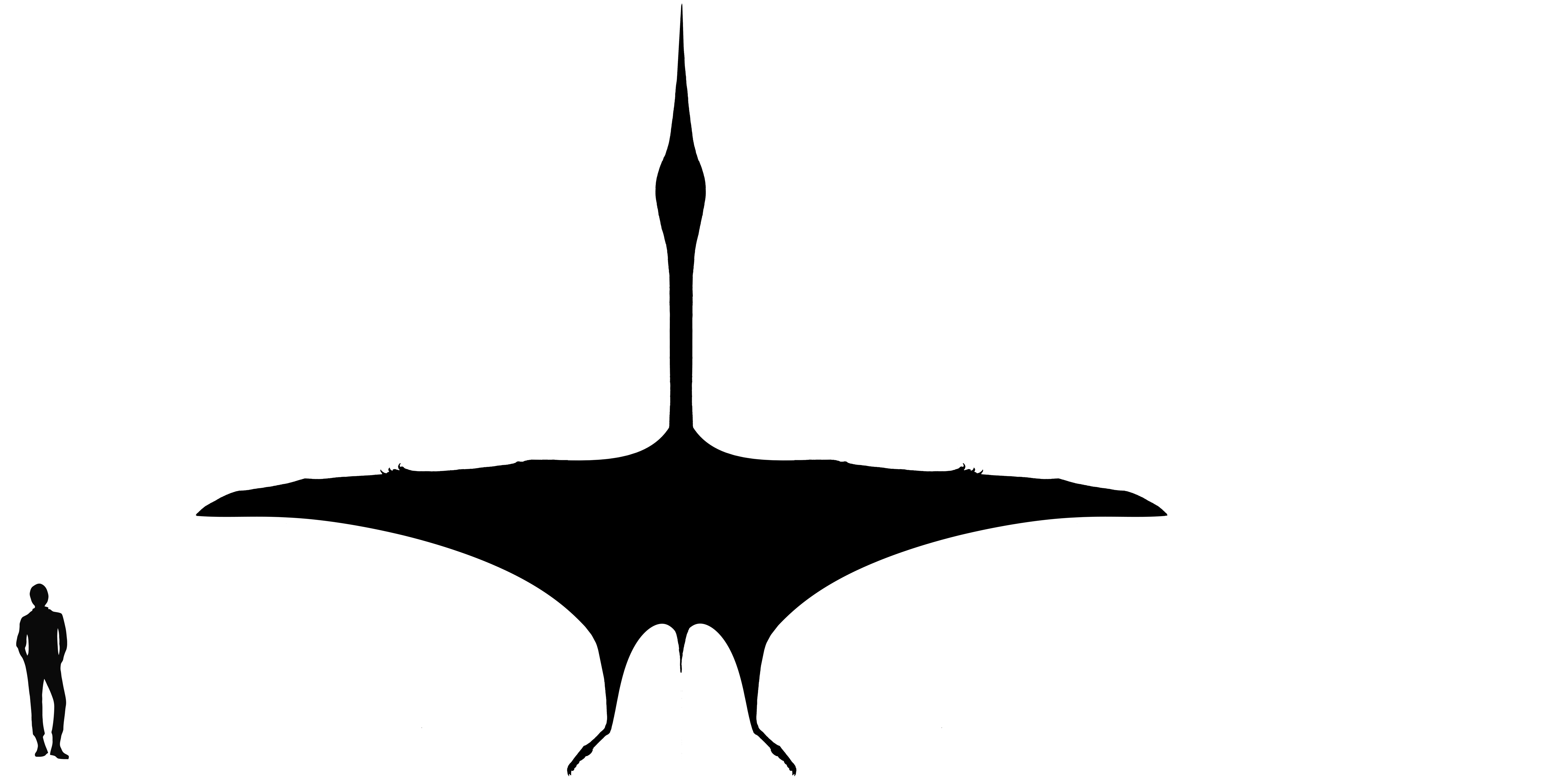
Since then, many more remains were found and a complete picture of the animal began to emerge at last. The skull of this creature, for example, was gigantic and heavily-built – up to 2.5 meters long or so – while the whole animal was thought to be equal or possibly bigger in height and wingspan than the largest Quetzalcoatlus.
Early estimations of its wingspan were as high as 12 meters, with the humerus being much larger than its relative. Recently though it was whittled down.
In terms of wingspan, the two had the same width, 10 meters from tip to tip. But the Romanian giant was still very much heavier, as suggested by the massive construction of its skull.
The skull was still very lightweight, almost like it was constructed from expanded polystyrene, used to make Styrofoam.
This indicates that it was also incredibly strong at the same time.
Hatzegopteryx was clearly a predator. But the image of a nightmare isle where tiny dinosaurs cowered in fear as walking monster pterosaurs mowed them down, might not be correct.
After all, it was still a working ecosystem in nature and as a hunter, the living creature only hunted when it needed to.
We know that the island would have been forested, since plants similar to members of the blackberry family (Eurya sp.) have been found here, as well as pollen grains from birch, walnut, beech and other deciduous woodland trees.
Plus as a flying animal it was still possibly lighter than the larger dwarf sauropods with which it lived. Recently, it was suggested to be shorter-necked than Quetzalcoatlus and probably was much shorter than its giraffe-sized North American relative. It was still much heavier though.
11.5 m (37.7 ft)