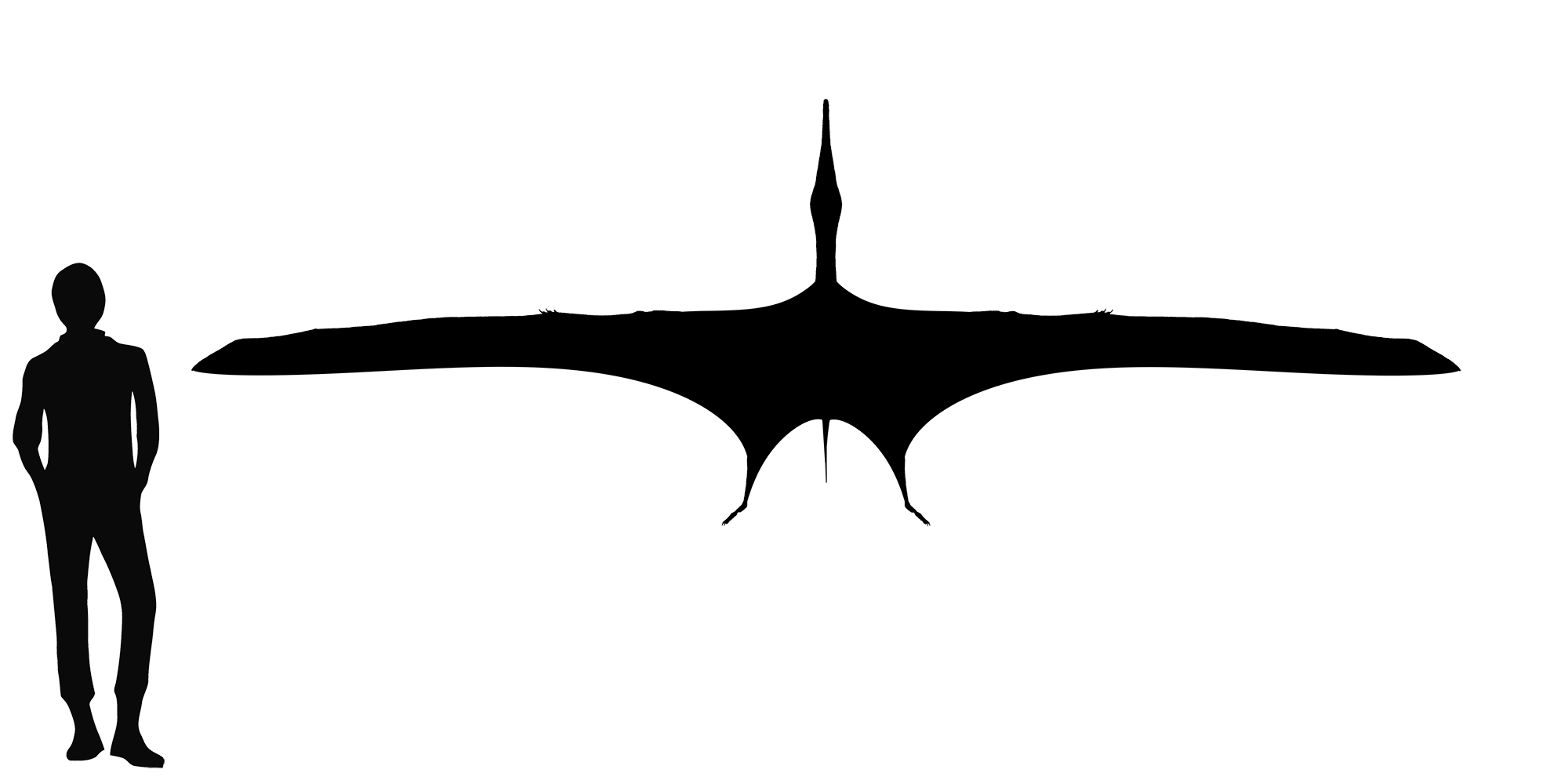
Guidraco
Family

Boreopteridae

© 2026 Pteros, All Rights Reserved. All images on this website must be licensed for use.

Family
Boreopteridae
Guidraco venator, the only species in its whole genus, was one of the larger pterosaurs from China's Jiufotang Formation. The animal's rather evocative name means "Malicious Ghost Dragon", and the animal did indeed have a profile that was both menacing and regal at the same time. It is known from a rather good series of remains, including a good skull and some postcranial remains, meaning that it is known from parts of its body too. These body remains were articulated, and found in relatively good condition. Its fossils date back to the Early Cretaceous, from rocks roughly 120 million years old. This means that it shared its habitat with a number of other small- to medium-sized pterosaurs with varying habits and lifestyles.
Guidraco was a member of a family known as Boreopteridae. These creatures all had long, narrow wings and long, thin jaws and a big crest on their heads. All in all, they were built almost like a soaring bird like a frigatebird or albatross. And just like these birds, Guidraco was a fish-eater. Its long jaws contained a number of long and thin teeth that often evoke the jaws of a river dolphin.
The early image of these fish-eating pterosaurs was of a skimming animal, but this theory has since been discarded. It has been suggested that pterosaurs that lived next to waterways were able to swim and plunge-dive by using their wings to propel themselves through the depths. It is possible that Guidraco must have done something similar. They were unable to float like a duck or gull though, instead using other methods to swim through the waters of the Jiufotang swamps It was using its thin teeth to trap its slippery prey like a living cage, an effective method that had persisted among piscivorous pterosaurs as a whole.
5 m (16 ft)