Boreopterus
Family

Boreopteridae

© 2026 Pteros, All Rights Reserved. All images on this website must be licensed for use.

Family
Boreopteridae
In 2005 paleontologists Lü Junchang and Ji Qiang named and described a new species of pterosaur, Boreopterus cuiae, from Liaoning, China. Boreopterus was discovered in rocks of the Lower Cretaceous Yixian Formation, deposited about 125 million years ago. The skeleton is nearly complete, preserving the skull, most of the vertebral column, both wings and hindlimbs.
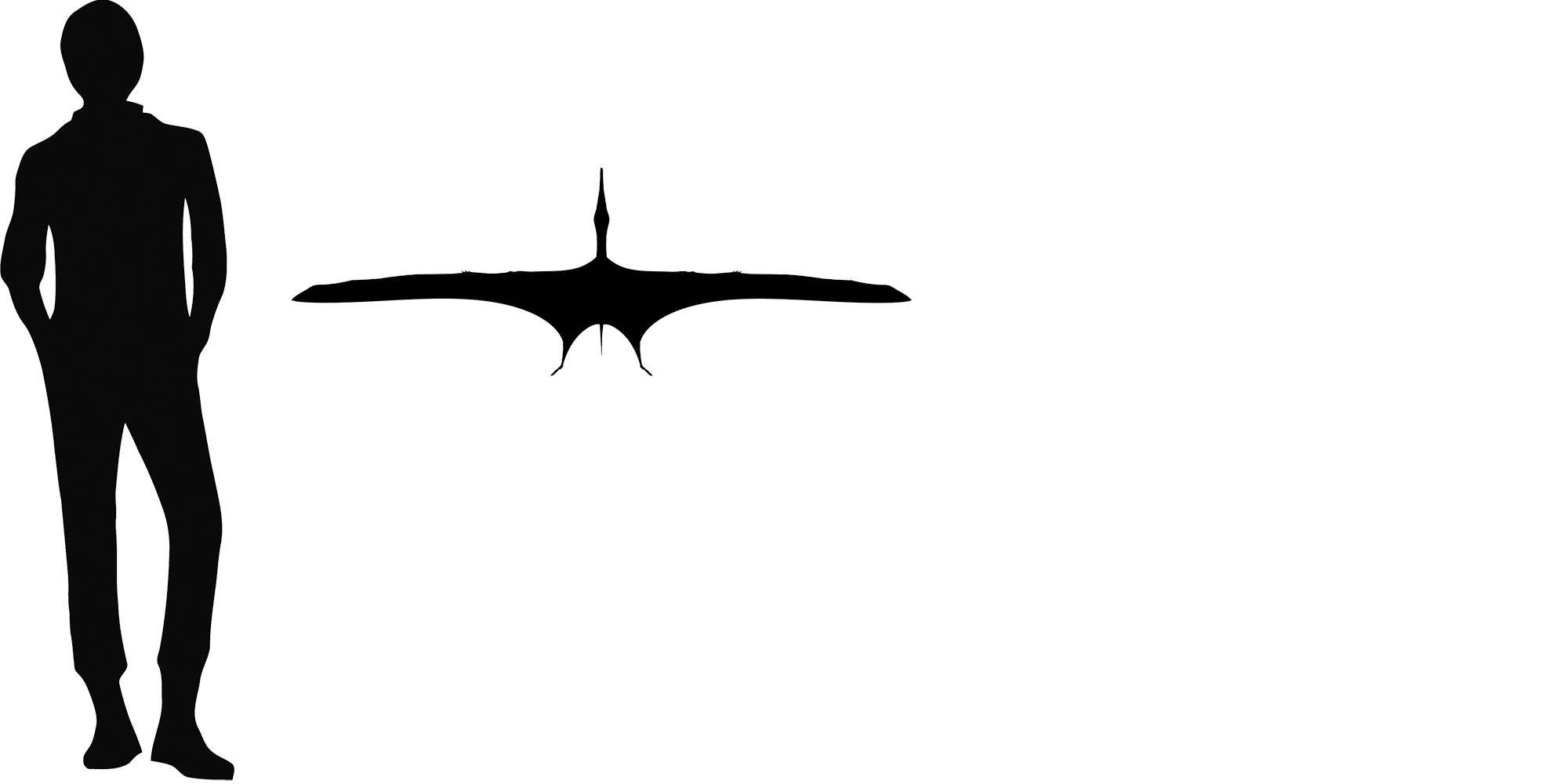
The skull is long and low, approximately 23 cm (9 inches) in length. Unlike many Cretaceous pterosaurs, the skull bears no bony crests, however many pterosaurs are known to have soft tissue crests, and that may have been the case with Boreopterus. The jaws are lined with more than 100 needle-like teeth. The teeth are longest near the tips of the jaws and slightly recurved. The neck of Boreopterus is comparatively short, as is the torso, but the shoulders and arms are extremely large and robust, giving Boreopterus a wingspan of about 150 cm (5 feet).
Lü and Ji considered Boreopterus to be an aerial fisher based on its teeth. Boreopterus lived in a forested terrestrial environment crossed by rivers and dotted with lakes. The Yixian Formation is known for its exceptional fossil preservation, and has yielded numerous other pterosaurs, as well as hundreds of specimens of birds and other feathered dinosaurs.
Lü and Ji initially considered Boreopterus to be a member of the ornithocheirid family, similar to the oceanic fish eaters Ornithocheirus and Anhanguera. Subsequent research has shown that Boreopterus is part of a small lineage of pterosaurs including Zhenyuanopterus and Guidraco, both from the Yixian Formation. This lineage has been named Boreopteridae, and has been found to be closely related to the ornithocheirids. Like boreopterids, the ornithocheirids have long skulls lined with long teeth, have relatively short necks, and very long and robust wings. These pterosaurs are members of the pterodactyloids, the short-tailed pterosaurs that emerged in the Late Jurassic and dominated the skies of the Cretaceous.
1.5 m (5 feet)